Buying Guide
Buying natural gemstones
Colored gemstones don’t trade like stocks—or even quite like diamonds. Prices are negotiated through dealers, cutters, and collectors. Treatments change what reaches the market. And documentation is what closes the gap between a seller who knows the stone and a buyer who doesn’t. This guide explains how that market works, what to ask for, and how we disclose every piece we sell.
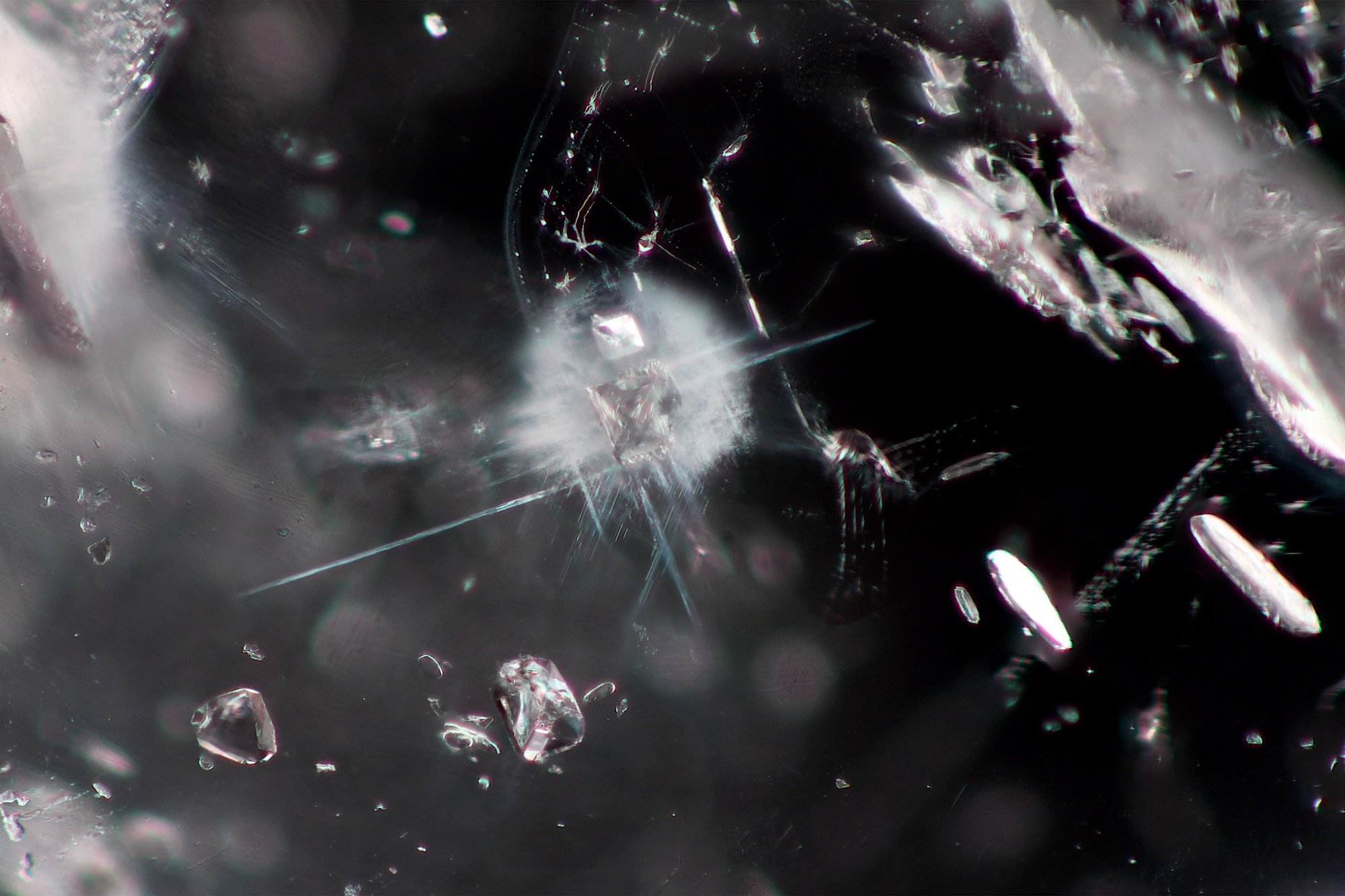

Resized and converted to JPEG; no cropping or color changes. This adapted image is licensed CC BY-SA 4.0.
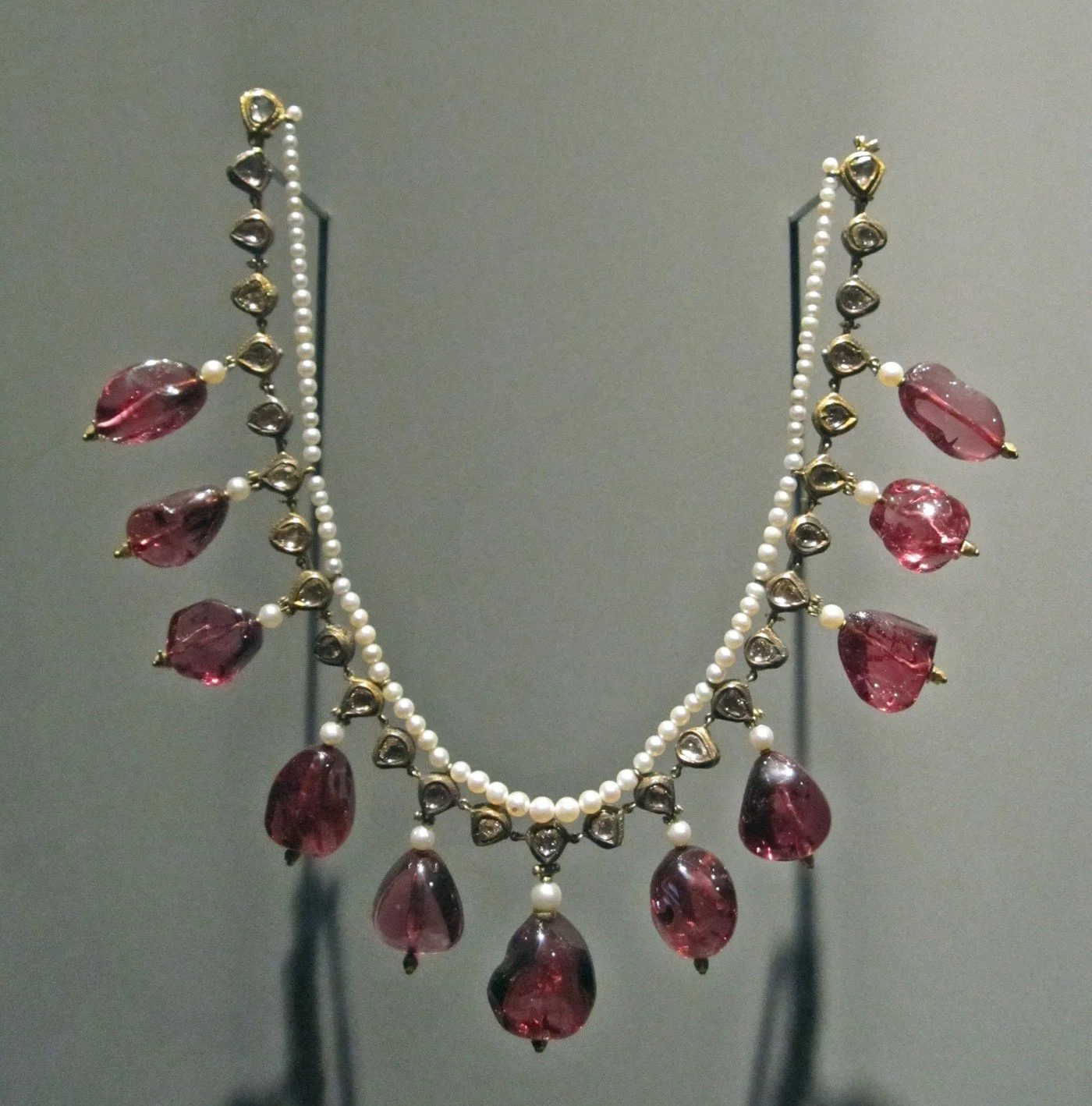

Why the gemstone market works this way
Fine colored stones have no public exchange. Unlike stocks—or even diamonds, with more standardized grading—ruby, sapphire, and spinel trade through private networks of miners, cutting houses, dealers, jewelers, and collectors. Prices are negotiated, not listed on a ticker.
Supply is uneven. Much rough comes from small-scale mining, so quality varies parcel to parcel. Cutting hubs such as Bangkok sort, finish, and—when that is the commercial path—heat material before it reaches retail. What you see online is the end of that selective pipeline.
Treatments shape what reaches the market. Industry estimates put heat treatment on more than 95% of rubies in the trade, and at least 95% of rubies and sapphires overall. Unheated stones with a confirming lab report are a small fraction of supply—fewer than one in twenty rubies, on those estimates—and usually command a premium for that rarity. GIA advises buyers to assume a ruby is heated unless an independent report says otherwise. Spinel, by contrast, is rarely treated. TREASURED sells natural material only; other processes such as diffusion or fracture filling also require disclosure when used.
Buyers historically knew less than sellers about identity and treatment. Labs (GIA and other recognized labs) and clear listings narrow that gap. Seller grades like “AAA” are marketing—not lab standards. Resale stays private too: time, fees, and paperwork matter, because the next buyer will ask the same questions.
Natural does not mean untreated
“Natural” means the material formed in the earth—not that nothing happened after mining. Cutting and polishing are expected. Treatments beyond that must be disclosed in writing.
When a listing says untreated—or a lab finds no indications of heat—you are looking at scarcer goods in ruby and sapphire, given how common heat is in the trade. Prefer exact language over vague grades. “No indications of heating” addresses heat; it does not prove every possible process was ruled out. Ask for treatment disclosure on every stone, including spinel.
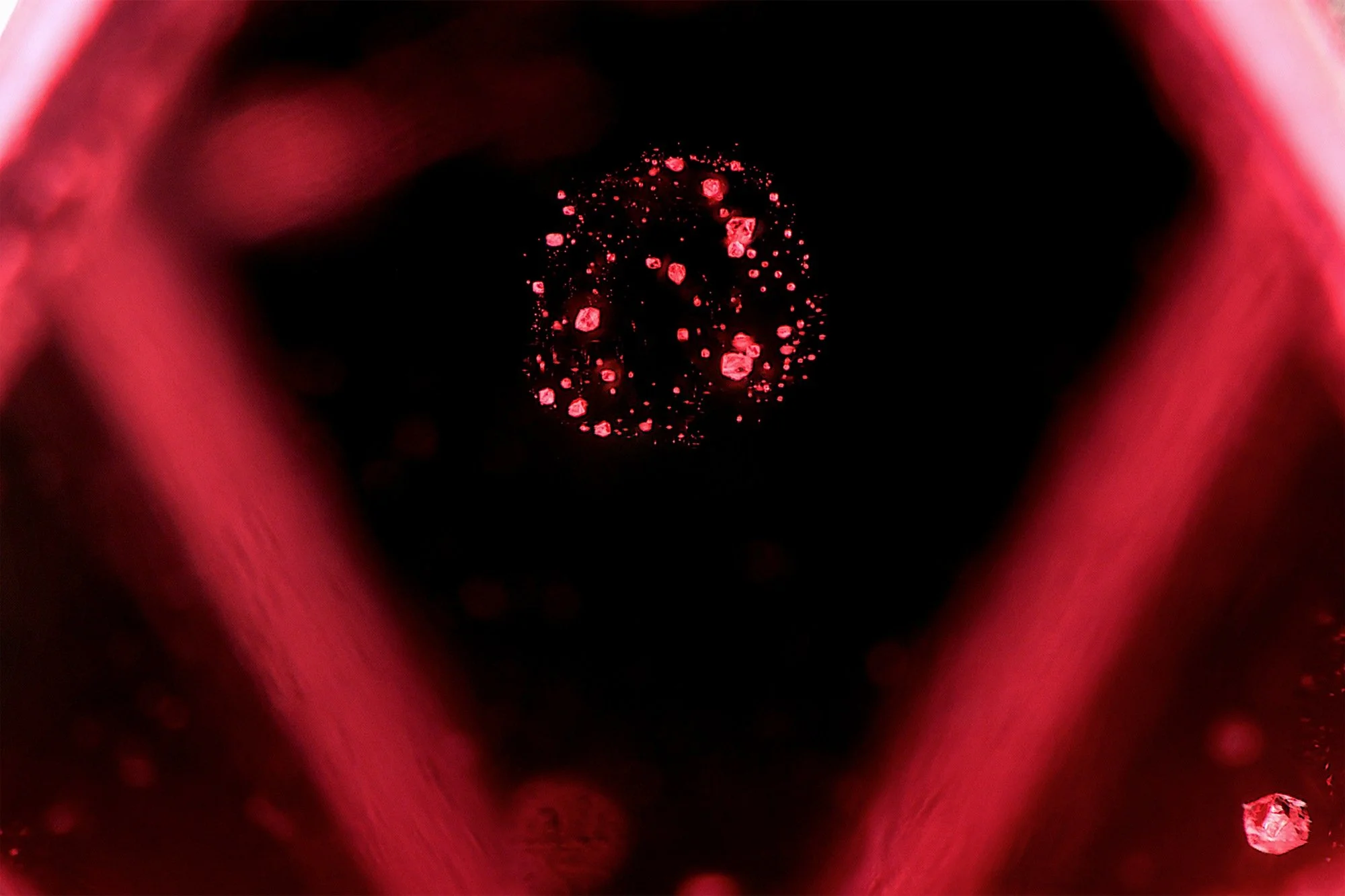

Resized and converted to JPEG; no cropping or color changes. This adapted image is licensed CC BY-SA 4.0.

“Curved Striations in Synthetic Color-Change Sapphire” · LucasFassari · Source · CC BY-SA 4.0

Resized and saved as JPEG; no cropping, sharpening or color changes. This resized image is licensed CC BY-SA 4.0.
Get the facts in writing
Before you buy online, lock these details in writing—on the listing or by email:
- Identity (what the stone is) and natural vs. laboratory-grown
- Any treatments
- Weight, measurements, and shape
- Whether a lab report exists—and the report number if it does
- Clear face-up and back photos in ordinary light
At TREASURED, every listing states Origin, Weight, Measurements, Shape, Treatments, and Certificates. Current stones are disclosed as untreated. Photos show the face and the back; when a GIA report exists, it is included.
What a lab report actually tells you
A lab report is evidence—not a price tag. A GIA colored-stone report (and reports from other recognized labs) typically identifies the material as natural or laboratory-grown, notes detectable treatments, and records weight, measurements, and shape or cutting style. Geographic origin, when offered, is an expert opinion based on inclusions and chemistry—not a guarantee.
Match the report number, weight, and measurements to the stone or listing. Use the lab’s own report-check tool when one exists (GIA offers this). In a market without a public price list, a verified report is one of the few documents a future buyer—or you, years later—can check independently.
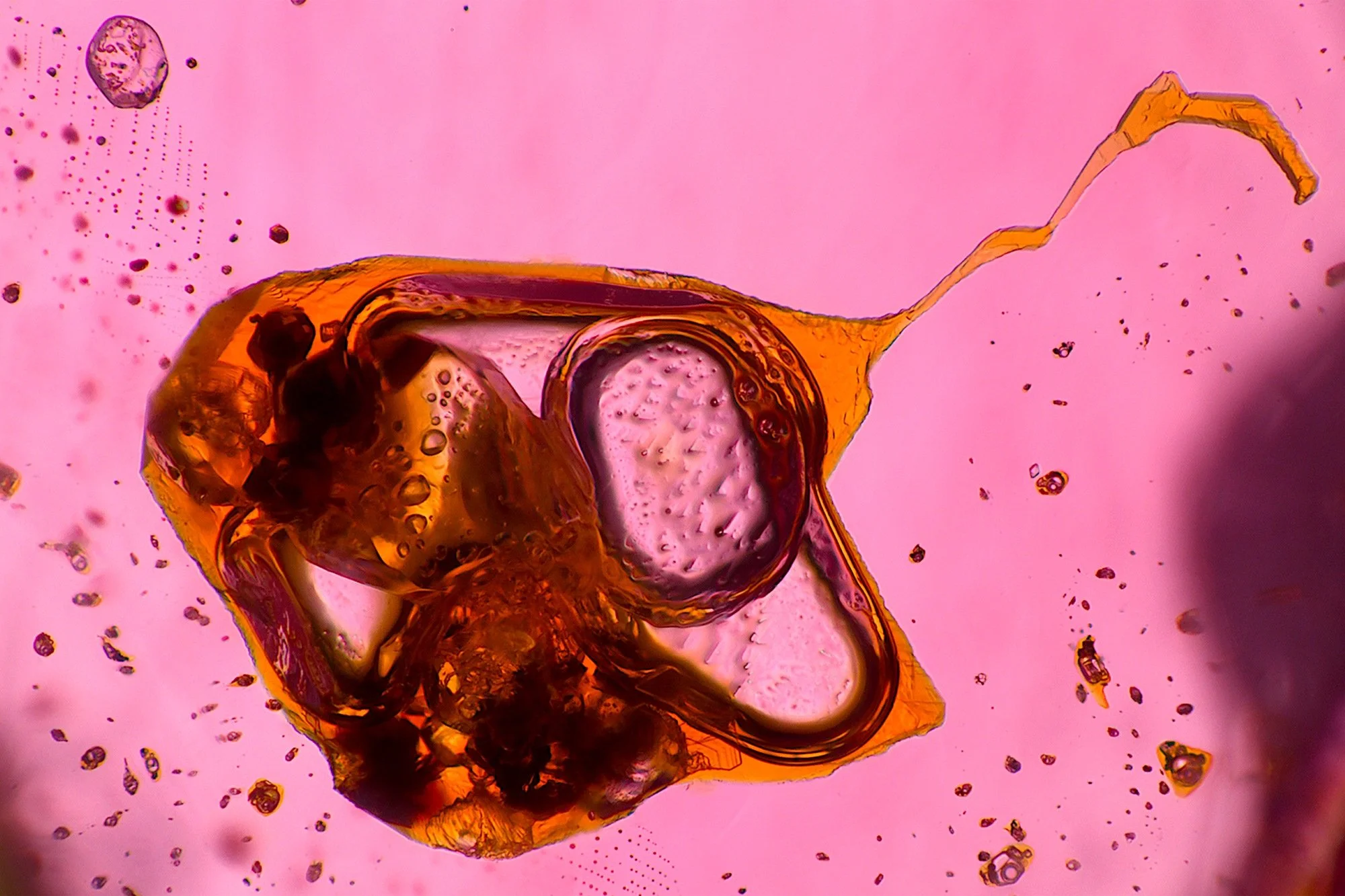

Resized and converted to JPEG; no cropping or color changes. This adapted image is licensed CC BY-SA 4.0.
Color first; origin second
For colored gems, hue, tone, and saturation usually drive beauty and demand more than any other single factor. Fall in love with the face-up color in ordinary light. Clarity and cut still matter—a well-cut stone returns light evenly—but color is where most buyers start.
Origin is a clue, not the whole story. Famous sources carry reputation because they produced legendary material; fine stones also come from many other localities. A weak stone from a famous mine is still weak; a superb stone from a less famous source is still superb. On our listings, Origin means the geographic source of the gem material as we disclose it—supported by lab opinion when a report includes one. Shipping location is not origin. Most TREASURED orders leave Bangkok fully insured and tracked, with signature on delivery, as noted on the site.
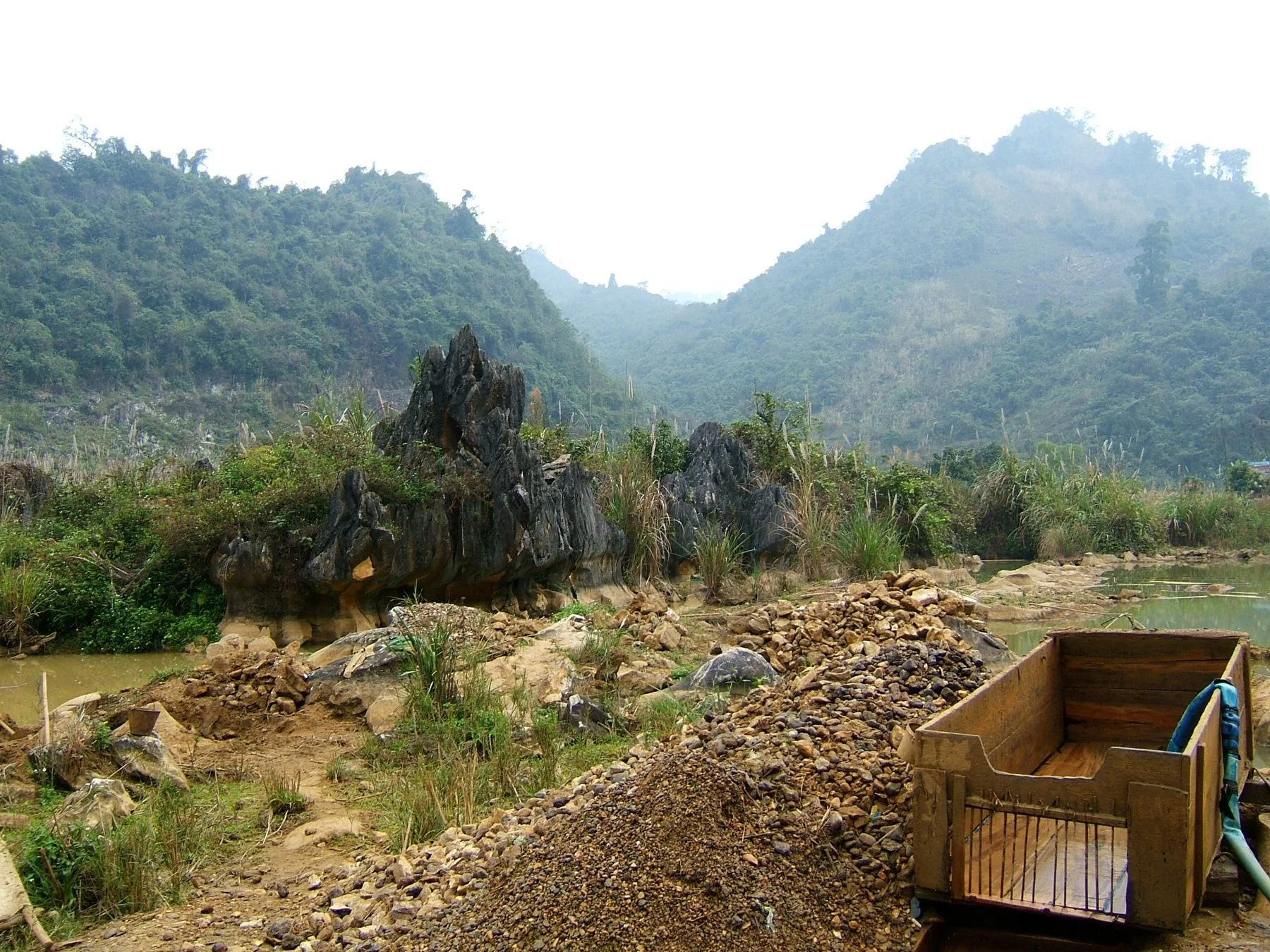
“Lục Yên1” · Viethavvh · Source · CC BY-SA 3.0

Resized; no cropping or color changes. This resized image is available under CC BY-SA 3.0.
Lasting value
Gemstones as a long-term store of value
Some buyers treat exceptional, well-documented colored gems as a long-horizon store of value alongside other tangible assets. The case rests on market mechanics: scarcity of fine natural material (including that small unheated share of ruby and sapphire), durability you can reset and pass on, and identity you can verify—species, treatment, weight, and a report number—when the next sale is negotiated privately.
The limits matter equally. Gemstones are illiquid. Resale goes through dealers, auctions, or private buyers; it takes time and fees. Taste shifts. Past prices do not guarantee future ones.
This is not financial advice. We do not promise appreciation, and we do not sell stones as investments. Buy first because you want the stone—its color, the jewelry you will wear. If lasting value matters to you, favor natural material, clear treatment disclosure, and reports from recognized labs, and keep your paperwork with the stone.
Buy the stone you’d wear for years
Choose a gem for its color and character first. Documentation protects that choice over time—but the reason to own it should be that you want to look at it, wear it, and keep it.
Returns are accepted within 14 days of delivery. If something is unclear before you buy, write us.
Ready when you are
Browse natural stones with full disclosure—or ask a question before you commit.